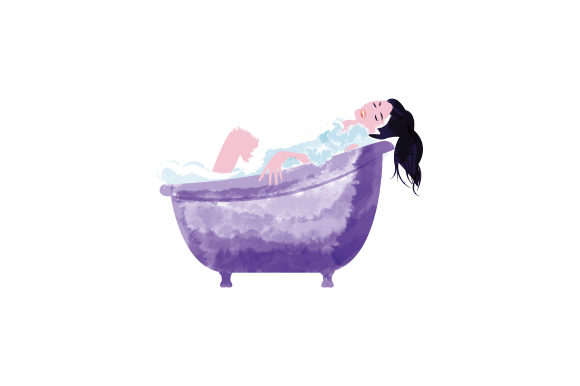
A Soothing Embroidery Design for Modern Handmade Goods
When an embroidery design named Woman in Bubble Bath Watercolor lands on my desktop, my first thought isn't just about the files. It's about the story it tells and the mood it instantly creates. This piece, with its gentle, flowing lines and relaxed subject, speaks to a sense of quiet luxury and self-care. It's not a loud, graphic statement; it's an intimate, artistic one. The watercolor style implies soft blends and a painterly feel, which translates into a fascinating challenge for embroidery—how to capture that fluid softness with thread and stitch.
The Natural Habitat for This Design
Immediately, I picture this design living on items that complement its serene vibe. It feels destined for personal spa gifts, boutique bathrobes, or elegant linen bags meant for a bath shop. I recently considered it for a custom order: a set of high-quality cotton towel sets and a matching robe for a wedding gift basket. The client wanted something unique that felt luxurious, not generic. Woman in Bubble Bath Watercolor clicked perfectly. It avoids cliché, offering a mature, artistic take on the bathroom theme that elevates a simple towel into a thoughtful, handmade presentation.
For your craft business, think beyond the obvious. This embroidery file could anchor a whole line of self-care merchandise: lavender-scented pillow covers, meditation cushion patches, or even the interior of a wellness-focused tote bag. For Etsy sellers and small shop owners, its appeal lies in that niche—customers looking for a gift that feels personal and sophisticated, not mass-produced.
Where the Design Finds Its Strength
In practical use, this design performs beautifully on stable, smooth fabrics where its details can shine. Think:
- Premium cotton tote bags or linen aprons for a high-end look.
- Pillow covers in a bedroom or spa-like bathroom setting.
- The breast area of a relaxed-fit, quality sweatshirt for a cozy, artistic statement.
- As a central motif on a tea towel or kitchen set, if the bathroom theme is woven into a broader home decor concept.
- Smaller-scale applications, like a embroidered patch applied to a canvas bag, work if the design’s details are preserved.
The watercolor style suggests areas of fill stitch that might blend colors. This can create beautiful depth on finished products, increasing the perceived value. Customers often respond to this artistic texture—it clearly looks handmade and designed, not just stamped out.
Navigating the Practical Stitching Considerations
As a professional, I always run a mental checklist before loading a design like this for a client project. The beauty is in the details, so preserving them is key.
First, always test on scrap fabric. Use the same material you plan for the final product. This tells you everything: how the stitch density behaves, whether small elements like the bubbles or facial features remain clear, and how the overall layout sits in your chosen hoop size. Because the description notes multiple file formats including SVG and PNG, you have flexibility for different machines or techniques, but the core test is in the stitching.
Pay close attention to thread color contrast against your background. A watercolor design often uses softer hues. On white or light fabric, it will be delicate and lovely. On darker fabrics, you may need to adapt the color palette significantly to maintain the same gentle mood, or it might lose its impact. A quick black-and-white mockup of the design can help you judge contrast purely by value, ignoring color.
Situations That Demand Extra Care
This design invites a mindful approach in certain applications. Its potential weaker points are exactly where you’d expect for a design with likely fine lines and blended areas.
- Textured or stretchy fabrics: A nubby towel or a stretchy cotton tee might distort those smooth watercolor flows. A robust stabilizer choice is non-negotiable here.
- Very small hoop sizes: If you reduce it drastically for a baby item or a cap, the detail level might become muddy. The charm is in the artistry; shrinking it too much could lose that.
- Products needing frequent washing: For items like kitchen towels or bathrobes that will be laundered often, consider how the stitch coverage will hold up. Dense areas are more robust, but very fine running stitch details might be vulnerable over time.
- Dark fabric backgrounds: As mentioned, without careful thread selection, the light, airy feel could vanish on a black or navy garment.
This isn't a design for every surface. It’s a design for considered surfaces, where its personality can be showcased properly.
Building Customer Trust and Professional Results
Using Woman in Bubble Bath Watercolor effectively does more than just decorate a product; it builds your reputation. When a customer sees this on a handmade gift, they recognize a level of curation. It’s not a stock clip art; it’s a specific artistic choice. That enhances brand consistency for makers focusing on wellness, luxury, or artistic home goods. It feels professional because it’s targeted.
For digital product sellers, this design is a strong design asset. It can be used in printable mockups to showcase potential finished products, helping buyers visualize the application. Always advise your customers, as I would, to check the specific licensing provided with the files to confirm its use for both personal and commercial embroidery projects. That clarity protects everyone and builds trust.
Ultimately, my review of this design comes down to its authentic fit. Woman in Bubble Bath Watercolor isn’t a generic craft; it’s a mood. In the right project, on the right fabric, with the right preparation, it stitches up into a product that tells a quiet, beautiful story—the exact kind of story that makes handmade products and personalized gifts so special.