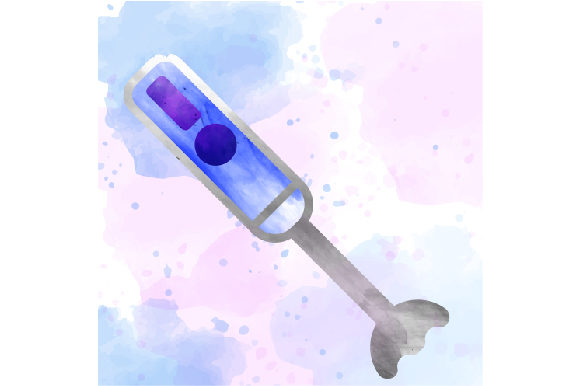
A Watercolor Blender Design for Warm, Artistic Embroidery
When I first opened the Blender Watercolor embroidery design, my immediate thought was, "This is for the kitchen, but it feels like a piece of art." The design avoids the typical, rigid graphic look of many kitchen-themed files. Instead, it has a soft, painterly quality—the kind of visual personality that suggests a handmade touch rather than a mass-produced logo. That's a significant advantage for crafters and small business owners looking to elevate their products.
The Soft Touch: Why This Design Creates Connection
The watercolor style inherently creates a mood of warmth and approachability. It feels gentle and artistic, which translates beautifully into embroidery. Imagine this design stitched onto a linen apron. The slightly organic, blended edges of the graphic won't look harsh or industrial when rendered in thread. For customers, that softness creates an emotional connection; it feels personal, crafted, and thoughtful. In a market saturated with crisp, digital-looking designs, this watercolor approach stands out by feeling intentionally handmade.
Finding Its Natural Home: From Towels to Totes
I naturally gravitate towards imagining this design on kitchen textiles—tea towels, oven mitts, or apron pockets. The Crafts category is a perfect fit. But its appeal isn't limited. That artistic vibe makes it a fantastic candidate for boutique-style tote bags, decorative pillow covers for a cozy living space, or even as a subtle, beautiful element on a lightweight sweatshirt for a creative entrepreneur. It’s a design that whispers rather than shouts, making it ideal for products where subtle branding or personalization is key.
For a real-life scenario, let’s consider preparing a custom embroidered tea towel as a holiday gift for a food-loving friend. Using the Blender Watercolor design, you’re not just adding a generic kitchen icon; you’re adding a piece of artwork. The recipient’s reaction is likely to be about the beauty and thoughtfulness of the item, not just its utility. That shift from a simple functional product to a cherished gift is where the true value lies for makers and sellers.
Performance on Real Projects: Stitching Considerations
In practical embroidery situations, a design with this watercolor aesthetic presents both opportunity and caution. The provided formats—SVG, Transparent PNG, EPS, and DXF—offer flexibility for different machines and software, which is excellent. For actual stitching, the success hinges on how those blended color areas are translated into stitch commands.
On stable fabrics like cotton twill for tote bags, canvas for aprons, or non-stretch linen for pillow covers, this design should perform wonderfully. The fill stitch areas representing the watercolor blends will lay flat and smooth, creating that painterly effect. However, on stretchy fabrics like t-shirts or thin, textured fabrics, those same fill stitch areas could pose a challenge. Higher stitch density in fills can create stiffness or puckering on flexible materials.
My strong advice is to always test the embroidery file on a scrap of your target fabric first. Check the stitch density in your software preview, and observe how the design handles the transition between elements. This is crucial for maintaining the design’s soft appearance without compromising the fabric’s integrity.
Where to Use With Extra Care
Some applications require a more careful approach. Embroidering this onto a curved surface like a cap demands attention to detail placement and possible reduction in size to avoid distortion. On dark fabrics, thread color contrast is paramount—you’ll need to choose thread colors that pop enough to preserve the design’s clarity while still feeling soft and watercolor-like. For products destined for frequent washing, like kitchen towels or baby items, ensure you’re using robust threads and proper stabilizer during the embroidery process to guarantee longevity.
Also, consider scale. While the design likely has detail, embroidering it at a very small hoop size might compress those blended areas, losing the artistic effect. It’s probably best suited for a medium to larger scale, where its character can fully shine.
The Business of Beauty: Elevating Your Product Value
From a commercial perspective, Blender Watercolor affects more than just aesthetics. For an Etsy seller or small shop owner, using a design with this level of artistic quality directly impacts perceived product value and customer trust. It signals that you care about design curation, which builds brand consistency for a creative business. A tote bag featuring this design looks more like a boutique, handmade product than a generic commodity.
It also enhances giftability. Whether for a wedding gift (a personalized set of kitchen towels), a nursery gift (a delicate blanket corner), or a general holiday present, the design feels special. That directly translates to buyer engagement in your listings; customers are looking for that unique, heartfelt touch.
For apparel decorators or those creating patches, this design offers a modern alternative to hard-edged logos. An embroidered patch with a watercolor blender could be a standout item for a craft fair, appealing to customers who appreciate a softer, more artistic style.
Essential Designer Notes Before You Stitch
Before committing to a final project, here’s my practical checklist. First, test the embroidery file on scrap fabric as mentioned. Second, review thread color choices—perhaps test a few variants in a digital mockup to see how they play on both light and dark backgrounds. Using the provided Transparent PNG for printable mockups can be a great way to visualize the final product for your shop listings.
Always use a proper stabilizer suited to your fabric; it’s the foundation of a clean stitch. Inspect the design’s small details in your embroidery machine software to ensure they will stitch out clearly at your chosen size. Finally, a critical step for any commercial use: confirm the licensing terms for this digital embroidery file. Understand clearly whether it’s for personal use, commercial use, or both before selling finished items or incorporating it into your business’s product line. This protects you and respects the designer’s work.
A Design That Invites Artistic Expression
Blender Watercolor isn’t just another kitchen graphic. It’s an embroidery design that invites you to create projects with an artistic soul. It asks for a bit more consideration in fabric choice and technique, but rewards you with a finished product that carries a distinct, warm, and professional handmade presentation. Whether you’re stitching a gift, stocking your small shop, or building your brand as a creative entrepreneur, this design provides a versatile asset that can help your work stand out through sheer, beautiful subtlety.