A Watercolor Cactus Design for Everyday Embroidery Projects
Whenever I get a new embroidery file, especially one called something like the Watercolor Cactus Tumbler 20oz Skinny, my first step is to visualize it not on a screen, but on fabric. I imagine the stitches, the texture, and the final product sitting in a shop or being handed to a customer. This particular design, categorized as a graphic or print template, immediately presents a soft, artistic mood. The watercolor style suggests a handmade, painterly feel even before the first stitch is laid down, which is a powerful starting point for any embroidery project aimed at crafters or boutique shoppers.
The First Impression: Gentle & Giftable
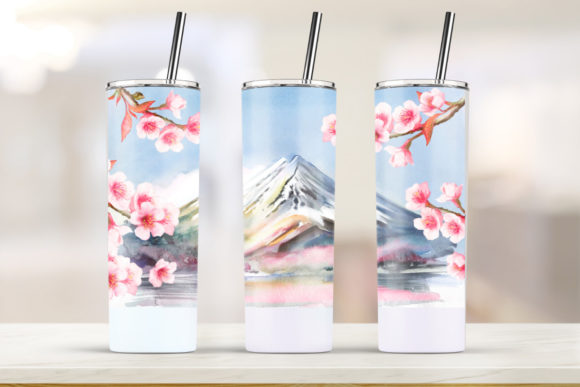
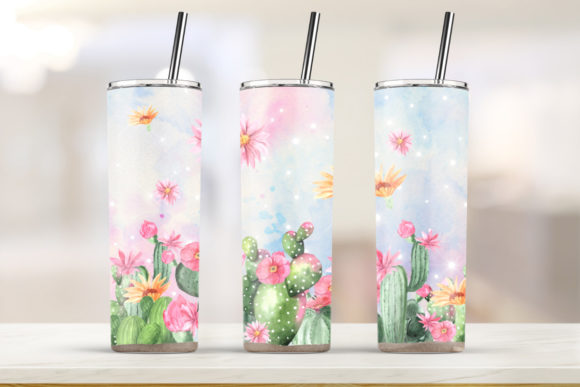
The layout of a cactus motif within a tumbler outline creates a clear, contained scene. It’s not an overly complex illustration; it feels like a gentle sketch. This is a huge advantage for embroidery. Detailed, realistic watercolor paintings can translate into very dense stitch areas, but this design appears to have a level of simplicity that keeps it practical. The visual personality is friendly and modern—perfect for the current love of desert botanicals and soft aesthetics. It naturally belongs on items meant to feel personal, calming, or decorative, like kitchen towels, pillow covers, or nursery decor elements.
Where This Design Shines in Real Projects
Let’s walk through a real scenario. A client requests a custom embroidered tote bag as a wedding gift for a couple who loves minimalist style and houseplants. The Watercolor Cactus Tumbler 20oz Skinny design comes to mind. Its contained shape fits beautifully on a tote bag panel, and the watercolor theme elevates it from a simple logo to a piece of art. Stitched on a natural canvas bag, using soft green and blush thread colors, it would look effortlessly chic. This is the kind of application where the design’s value shines: it turns a functional item into a thoughtful, handmade presentation.
Beyond tote bags, this embroidery file has a wide natural fit. For custom apparel, like the left chest of a sweatshirt or the back of a t-shirt, it offers recognizable branding without being loud. For baby clothes or blankets, the soft theme is inherently appealing. As an embroidered patch, it could be applied to caps or aprons with relative ease, given its likely defined borders. For small business merchandise—think tea towels, pouches, or simple pillow covers sold on Etsy—it provides a complete, ready-to-use graphic that enhances product consistency and saves design time.
Considerations for Stitching Clarity & Durability
The watercolor style, while beautiful, requires some practical forethought. Areas meant to look blended or washed will rely on fill stitch patterns. On textured fabrics like some towels or sweaters, those fills might need a heavier stabilizer to maintain clarity. On dark fabric backgrounds, the choice of thread colors becomes critical to preserve the light, watercolor mood—you might need to test brighter or off-white tones to get the same effect.
I would be cautious using this design on very small hoop sizes. If the tumbler outline and cactus details are miniaturized too much, the intended watercolor effect could become lost in a tight cluster of stitches, potentially affecting stitch density and durability. Similarly, on stretchy fabrics or garments that need frequent washing, like t-shirts, the larger filled areas should be tested for stability. A good satin stitch border around the tumbler, if included in the file, would help anchor the design.
How This Design Impacts Your Craft Business
From a commercial perspective, using a design like this effectively can directly affect customer trust and engagement. A well-executed, clean embroidery of this graphic on a product photo signals professionalism. It tells buyers that you understand aesthetic cohesion. For a digital product seller offering printable mockups, this design can serve as a beautiful design asset to showcase your brand’s style. Its giftability is high—it feels personal but not overly specific, making it suitable for holiday gifts, birthdays, or simple home decor.
However, the real key is in the execution. A design file is a blueprint; the finished product is what people buy. This Watercolor Cactus Tumbler 20oz Skinny design will only enhance your brand if it’s applied with care. That means aligning it with your other products, ensuring the stitching is sharp, and choosing substrates that complement its gentle nature.
Practical Notes Before You Hoop the Fabric
Always, always test the embroidery file on scrap fabric first. Use a fabric similar to your final project—test on both a light and dark scrap if you plan to use it on various backgrounds. This allows you to review the actual stitch density, inspect how small details like the cactus spines render, and check thread color contrast. Does the watercolor effect translate well in thread? Does the design have tiny lettering or intricate corners that might need adjustment for your machine?
Confirm the hoop size required. While the title references a 20oz skinny tumbler, which suggests a certain dimension, you must check the actual design dimensions in your embroidery software to match it to your project. Most importantly, check the licensing terms provided with this digital file. Before selling any finished items or commercial embroidery projects using this design, you must know if it’s licensed for personal use, commercial use, or both. This is a fundamental step for any crafter, Etsy seller, or small shop owner to operate ethically and avoid issues.
In the end, the Watercolor Cactus Tumbler 20oz Skinny stands out as a versatile graphic with a strong aesthetic appeal. Its success in your handmade products, personalized gifts, or small shop merchandise will hinge on your skillful application—choosing the right projects, fabrics, and threads to let its gentle, watercolor personality shine through in every stitch.