Watercolor Elephants: A Designer's Review for Real Projects
The First Stitch Impression
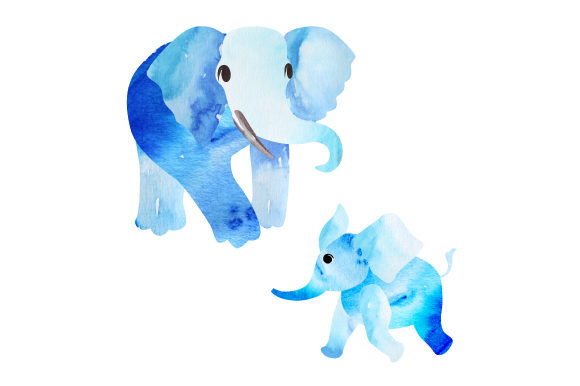
When I first opened the Watercolor Elephants embroidery file, my immediate thought wasn't about technical specs—it was about mood. This design has a soft, gentle personality. The flowing, blended shapes evoke a sense of calm and whimsy, a departure from the hard lines of traditional satin stitch borders. It feels artistic, almost painterly. For an experienced designer looking at potential projects, this tells me it belongs on items meant to convey warmth, creativity, and a touch of understated elegance. It’s a design that whispers rather than shouts.
Where This Design Naturally Belongs
I mentally started placing it on products. Its visual personality is perfect for personalized gifts and boutique-style handmade products. Think of a custom embroidered baby blanket or a nursery pillow cover—the Animals theme here is tender, not bold. It would be a beautiful focal point on a linen tote bag for a creative entrepreneur’s brand, or as a singular, statement piece on the chest of a lightweight sweatshirt. For Etsy sellers or craft fair products, this design adds perceived value; it looks like a thoughtful artwork, not just a standard graphic.
I also considered it for embroidered patches. The watercolor effect, if translated well through stitch density and thread choice, could make for a truly unique, wearable piece of art. However, its success here heavily depends on the final stitch execution, which I’ll get into.
The Real-World Embroidery Scenario
Let’s walk through a real case. Imagine you’re preparing a custom order for a client: an embroidered apron as a wedding gift. You choose the Watercolor Elephants design. Your first practical step is a test on scrap fabric—always. You need to see how those soft, blended color areas translate into actual fill stitches. Will the subtle variations hold up, or will they merge into a flat color block? Checking thread color contrast against your final fabric (is it a light linen or a dark canvas?) is crucial here. The design's appeal lies in its delicate layers, so preserving that illusion on the final product is key.
Performance Across Different Products
On custom apparel like t-shirts or sweatshirts, the design's moderate detail level suggests it needs a stable, mid-weight fabric. A very thin or stretchy fabric might distort those flowing shapes without the right stabilizer. On a structured item like a pillow cover or tea towel, it would likely shine, holding its shape perfectly.
For baby clothes or other items needing frequent washing, you’d want to assess the stitch density. A very dense fill to recreate the watercolor effect might feel stiff on a soft infant garment. Perhaps a lighter stitch run would maintain the aesthetic while keeping the fabric pliable.
As a small business merchandise item, this design elevates a simple product. A plain canvas tote bag with this embroidery becomes a ‘artist’s tote’. That boosts customer trust and product value—it looks professionally conceived, which supports brand consistency for a creative business.
Careful Consideration Points
This isn’t a design I would casually run on a small hoop size or a highly textured fabric. The nuance in the shapes could get lost if scaled down too much. Similarly, on a curved surface like a cap, the larger, flowing elements might need adjustment to fit the contour without distortion. There aren’t tiny lettering or intricate corners to worry about, but the overall stitch density in the color-blended areas is the main technical question. How will the machine embroidery file interpret those soft transitions?
For dark fabric backgrounds, the design’s charm depends entirely on the thread palette. A test in both light and dark fabric mockups is essential to ensure the watercolor effect doesn’t vanish into the background. This is where having the transparent PNG and SVG files is helpful for creating digital previews and printable mockups to visualize the final product before stitching.
Affecting Buyer Engagement and Professionalism
From a commercial perspective, using a design like Watercolor Elephants signals attention to detail. For your craft business, it shows you curate designs with a specific mood and quality, which engages buyers looking for something beyond generic. Its giftability is high—it feels special and bespoke. On an Etsy listing, a well-executed embroidered product using this design in your photos tells a story of craftsmanship.
It’s also a versatile digital embroidery file asset. The provided formats—SVG, PNG, EPS, DXF—mean it can be adapted for various needs beyond the hoop, perhaps for coordinating graphics in your shop branding or product labels, fitting naturally into the Crafts ecosystem.
Final Practical Notes for the Working Designer
My final thoughts before loading this into a machine for a real embroidery project are always practical. First, confirm the licensing for this design if you plan to sell the finished items or use it in commercial embroidery projects. The description doesn’t specify this, so that’s a must-check.
Second, without exact stitch count or hoop size details provided, I would run a test at my intended size to inspect how the small details hold up and to confirm the machine compatibility of the files. Will the satin stitch outlines be clear? How does the fill stitch behave in the elephant shapes?
Use proper stabilizer for the chosen fabric. Match your thread colors thoughtfully to preserve the watercolor illusion. And finally, consider its placement—this design often works best as a central, standalone artwork rather than a crowded element among others. Its strength is its serene, focal-point presence.
For embroidery designers, small business owners, and makers, Watercolor Elephants offers a beautiful opportunity to create products with a distinct, artistic feel. Its success lies not just in the file itself, but in your thoughtful application of it to the right project, with careful testing and a clear vision for that final, stitched impression.