How a Watercolor Tree Graphic Elevates Blog Design and Content Publishing
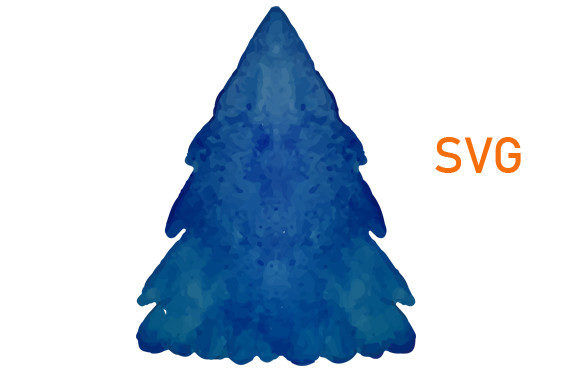
When I open a new design asset for review, my first question is always: does this elevate the editorial mood? The moment I previewed this Watercolor Tree SVG bundle, its immediate impression was clear. It’s a soft, artistic graphic that leans into a lifestyle-focused, creative, and slightly feminine aesthetic. It doesn’t shout; it invites. For publishers, this is powerful. It creates a visual tone of calm, growth, and natural inspiration, which naturally supports niches like wellness, slow living, gardening, mindfulness, eco-friendly crafts, and personal development content.
From Digital Download to Dynamic Editorial Accent
In a real publishing workflow, a versatile asset like this—with its EPS, SVG, and PNG formats—becomes a Swiss Army knife for visual communication. Imagine preparing a blog post about “Spring Gardening Tips.” That EPS file becomes a scalable, crisp hero image for your website header. The SVG, with its infinite scalability, is perfect for a responsive blog graphic that looks perfect on any screen size. The PNG is your go-to for quick placements in Pinterest pins or social media previews. This isn’t just clipart; it’s a foundational piece for editorial design.
The Real-World Publishing Uses You’ll Love
Let’s map this to concrete tasks on a content creator’s desk:
- Blog Featured Images & Article Headers: It instantly provides a polished, clickable focal point that sets the article’s tone before a reader even scans the headline.
- Pinterest Graphics & Social Media Visuals: Its watercolor texture stands out in crowded feeds, offering a softer alternative to bold, geometric designs, potentially improving click-through rates.
- Newsletter Banners & Digital Guide Covers: For a lead magnet like “A Crafting Guide to Natural Materials,” this tree graphic on the cover reinforces the topic and builds reader trust through consistent, professional-looking design.
- Category Thumbnails & Website Navigation: Using it across a “Crafts” or “Nature” category page creates stronger visual identity and clearer category recognition.
- Downloadable Printables & Canva Templates: Embed it into worksheets, planners, or media kits for small business owners. Its commercial license (always confirm this!) makes it safe for monetized digital products.
- Affiliate Content Visuals: If you’re promoting gardening tools or art supplies, this asset dresses your affiliate pages with relevant, attractive graphics that feel less transactional and more editorial.
Where This Design Asset Maximizes Content Performance
Its value lies in supporting content performance beyond mere decoration. A stronger first impression on a blog post can reduce bounce rates. A clearer visual hierarchy in a digital guide, with the tree as a decorative accent, guides the reader’s eye. For more consistent branding, using this same watercolor style across your blog graphics, Pinterest pins, and newsletter headers creates a cohesive, memorable brand experience for your audience. Ultimately, it makes your entire content library look more polished and intentional, which improves reader trust and authority.
The Perfect Publishing Contexts for a Watercolor Tree
This graphic design asset works exceptionally well in these key areas:
- Hero Images & Article Thumbnails: Where mood-setting is crucial.
- Pinterest Pins & Blog Graphics: Where visual contrast and texture win attention.
- Editorial Accents & Content Upgrades: Sprinkled within long-form articles or downloadable resources to break text and add artistic flair.
- Category Visuals & Newsletter Headers: For establishing thematic zones in your publication.
- Social Media Previews & Digital Ads: Especially for campaigns targeting creative, lifestyle-oriented audiences.
Publisher Notes: Where to Apply Caution and Testing
As a blog designer, I also note where an asset like the Watercolor Tree SVG should be used carefully. Its soft, detailed watercolor texture can pose challenges:
- Small Mobile Thumbnails: Fine details might become muddy. Always test it on desktop and mobile screens.
- Text-Heavy Blog Images: If placing large headlines over it, ensure contrast. Preview it inside a real blog layout with your typical font styles.
- Low-Contrast Backgrounds or Busy Layouts: It may lose its impact. Try it on simple, clean backgrounds first.
- Serious Professional Niches: For corporate, financial, or highly technical content, its artistic style might feel mismatched.
- Very Minimal Visual Systems: If your brand is ultra-modern and geometric, this organic shape could disrupt the system.
Essential Practical Checks Before You Hit Publish
Before integrating this into your web design, run these quick publisher tests:
- Test with Text: Place it behind or beside your common headline fonts. Check readability with serif, sans-serif, and even a script font to see the aesthetic pairing.
- Check Thumbnail Impact: Scale it down to a tiny 150x150px square. Does it still communicate “tree” and “creative”?
- Review File Size & Performance: Especially for the PNG. Compress images properly for web use to keep your page speed fast.
- Confirm Commercial Licensing: If using it on affiliate pages, paid eBook covers, or in Canva templates for sale, double-check the license terms from the creative marketplace source.
- Try a Monochrome Version: See how it looks in black and white for potential use in print-friendly downloadable resources.
Final Thoughts on Visual Hierarchy and Brand Identity
In the end, a single graphic design asset like the Watercolor Tree SVG bundle is more than a decoration. It’s a tool for visual communication. For bloggers, digital marketers, and creative entrepreneurs, it provides a ready-made element of modern design that can be woven into countless publishing projects. It helps transform plain text into engaging content marketing, supports small business branding with a cohesive look, and elevates the perceived quality of your entire digital publication. By applying it thoughtfully—focusing on the editorial mood, testing for performance, and leveraging its multiple file formats for different uses—you turn a simple digital download into a recurring character in your brand’s visual story.