December 2004: A Distinctive Birthday Design for Embroidered Gifts
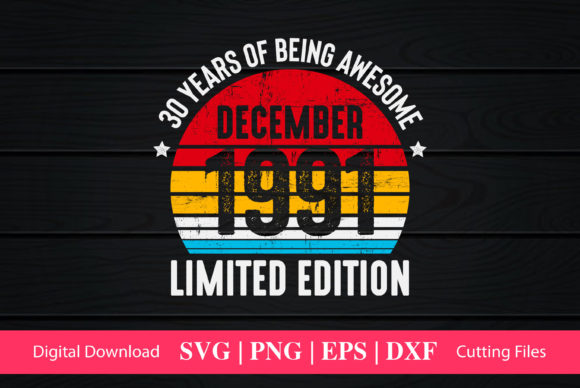
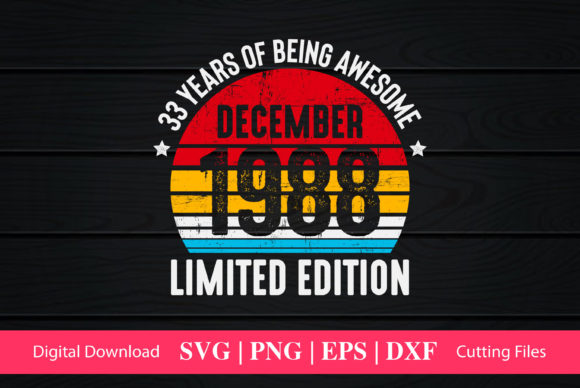
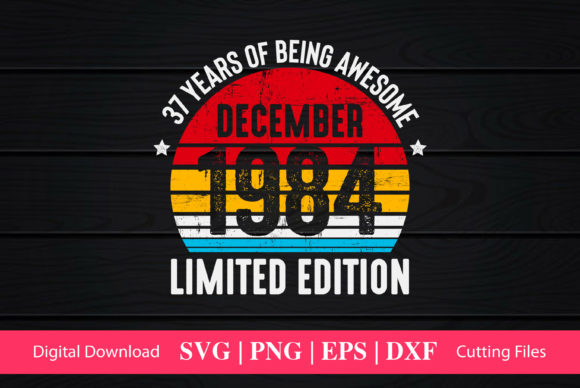
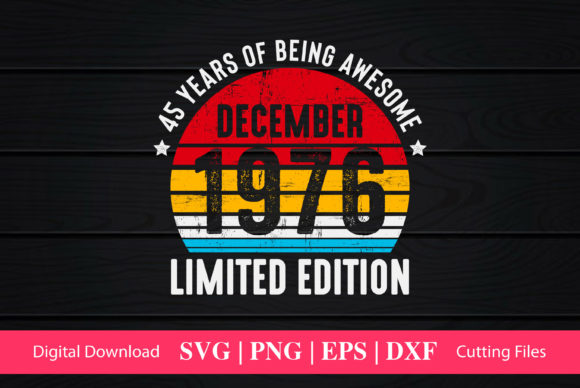
When a client asked for a truly personalized birthday sweatshirt, they didn't just want a name and a date. They wanted a piece that felt specific, a snapshot of that exact moment in time. That's when I pulled up December 2004 - 17th Birthday Gifts. This isn't a generic birthday graphic; it's a statement. My first impression was that it has a confident, almost archival feel. The layout, with its clear month and year, creates a mood of celebration rooted in a particular past—perfect for a seventeen-year-old's gift that acknowledges their unique history.
Where This Design Finds Its True Home
This design naturally belongs to projects where specificity is the selling point. I immediately pictured it on a heavyweight cotton sweatshirt or a canvas tote bag. The bold, clear text elements would translate beautifully into satin stitch, creating a substantial, gift-worthy feel. For a craft business or Etsy seller focusing on personalized products, this is a powerful asset. It elevates a simple garment into a commemorative piece. Think beyond apparel: a neatly embroidered pillow cover for a dorm room, or a kitchen towel as a nostalgic holiday gift from a parent. The "17th Birthday Gifts" text opens a lovely narrative—it’s not just about the age, but about the presents themselves, adding a layer of warmth.
The Practicalities of Stitching a Time-Stamped Design
In real-life embroidery, clarity is king. The strength of December 2004 - 17th Birthday Gifts lies in its likely separation of elements. The month, year, and birthday message should be distinct, allowing for clean color blocking. This means you can choose thread colors to match the recipient's preferences or the product's palette. On a dark fabric like a black cap, using a bright white or metallic thread for the "December 2004" would create striking contrast and excellent recognition.
However, this is where an embroidery designer's careful eye is crucial. If the design file contains smaller decorative accents or very tiny lettering within the main text, you'll need to be strategic. On a curved surface like a cap, those tiny details might get lost or become unstable. Always test on scrap fabric first. For a design with this potential density, using the correct stabilizer for your base fabric—whether it's a stretchy t-shirt or a textured baby blanket—is non-negotiable to maintain stitch clarity and professionalism.
Navigating Potential Pitfalls for a Perfect Finish
While the design’s personality is strong, its application needs thoughtful placement. I would avoid very small hoop sizes if the design is complex; cramping it will muddy the individual elements. Layered garments, like a fleece-lined hoodie, require extra attention to stitch density to prevent a sunken or unclear finish. For products destined for frequent washing, like a child’s embroidered bib or an apron, consider simplifying the thread color count or reinforcing the stitch areas to ensure longevity and maintain customer trust.
A practical note: always check the provided digital embroidery file formats for compatibility with your machine and software. The description mentions SVG, PNG, DXF, EPS—these are typically for cutting machines, not direct machine embroidery. This suggests the design might be intended for appliqué or as a template. For direct stitching, you would likely need to convert or source a proper embroidery file (like PES or JEF). Confirm this and the licensing terms before using it for commercial embroidery projects or selling finished products.
From Digital File to Handmade Presentation
The visual appeal of this design, once stitched, directly impacts product value. A clean, well-executed rendition on a high-quality tote bag or boutique sweater feels premium. It tells a story, which enhances giftability and buyer engagement. For a creative entrepreneur, using it in printable mockups for your Etsy listings can show potential customers exactly how personalized and thoughtful your handmade product can be. It supports brand consistency if your shop focuses on commemorative, year-specific items.
Before committing to a final product, I recommend two simple tests. First, stitch a sample on both light and dark fabric scraps to judge thread color contrast. Second, create a simple black and white mockup to assess the layout's balance and readability without color influencing your perception. These steps ensure the finished product, whether it's a custom apparel item or a small shop merchandise patch, looks intentional and professional.
A Design for Crafting Meaningful Connections
Ultimately, December 2004 - 17th Birthday Gifts is more than a graphic; it's a tool for creating connection. In the crowded space of craft businesses and digital product sellers, designs that offer this level of specificity help you stand out. They resonate because they mirror a person's actual life. When embroidered with care onto a tea towel, a nursery decor item, or a holiday gift, it becomes a tangible piece of personal history. That’s the real power of a well-chosen design asset: it transforms a craft project into a cherished object.
My final judgment as a designer is positive, with a strong emphasis on preparation. This design has a clear visual personality suited to commemorative projects. Its potential for embroidery is high, provided you approach it with the practical steps of any serious embroidery project: test, adjust, and choose the right foundation—both in fabric and in understanding your file’s capabilities. For the maker targeting a client who values a specific moment in time, this design is a compelling choice.