Bigfoot Watercolor: A Designer's Practical Review
Whenever a new embroidery design lands in my library, my first question isn't just “Is it cute?” It’s “How will this actually stitch out, and what kind of project does it truly belong to?” That’s the lens I’m using to look at Bigfoot Watercolor. As someone who creates for clients and runs a small shop, a design needs to be more than a pretty image; it has to be a reliable asset.
The Immediate Mood and Project Personality
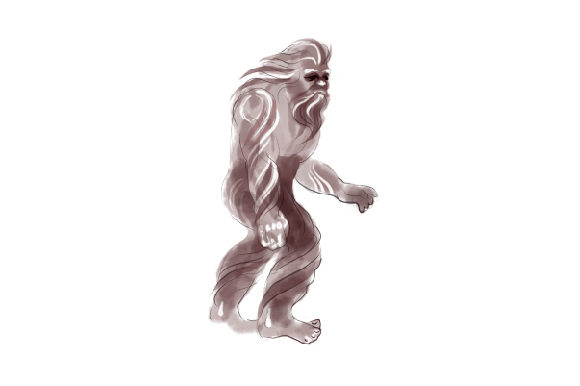
The first thing that strikes me about the Bigfoot Watercolor design is its soft, playful mystery. The watercolor style implies a gentle, almost whimsical feel, rather than a sharp, graphic one. This isn’t a intimidating, detailed cryptozoological sketch; it’s a friendly character. The shape and layout feel balanced, with a level of detail that suggests it would translate nicely into embroidery without becoming a dense, time-consuming stitch-out.
This personality tells me it naturally belongs to projects where warmth and charm are key. Think a cozy, custom embroidered sweatshirt, a special baby blanket or nursery decor piece, or a personalized gift like a pillow cover for a friend who loves the outdoors. I can instantly picture it on a tote bag for a boutique, or as a sweet accent on a child’s apron. Its vibe is approachable, making it perfect for handmade products aimed at Etsy sellers and craft fair shoppers looking for something unique but not overly niche.
Where Bigfoot Watercolor Excels in Real Projects
Let’s walk through a real scenario. I’m preparing a custom order for a client who wants an embroidered tote bag as a birthday gift. They’ve chosen Bigfoot Watercolor. The watercolor aesthetic means the design will likely use softer fill stitch areas and perhaps some running stitch details for outlines, which can be great for reducing stitch density on a bag’s often textured fabric. The provided SVG and EPS files are crucial here for scaling to the right size without losing integrity.
For apparel decorators, this design shines on relaxed-fit garments. A sweatshirt or a tee with this Bigfoot adds a touch of personality without being loud. For small shop merchandise, it could become a signature piece on kitchen towels, caps, or simple patch applications. The transparent PNG is a gift for creating quick printable mockups for my website or social media, helping gauge customer interest before I even thread the machine.
The appeal translates to product value and customer trust. A well-stitched, friendly design like this on a high-quality item feels intentional and professional. It elevates a simple product into a thoughtful handmade gift. For creative entrepreneurs, it can bolster brand consistency if your shop has a rustic, playful, or outdoor theme.
Considerations for Stitching Success
Of course, no design is universally perfect, and practical judgment means identifying where to proceed carefully. The watercolor style often involves blended areas or softer edges. On very small hoop sizes, some of those subtle details might merge, losing clarity. I’d be cautious on highly textured fabrics like some linens or looped towels without a strong stabilizer, as the softer fills could look uneven.
Dark fabric backgrounds require extra thought. Watercolor designs can sometimes rely on lighter shades, so testing thread color contrast on a scrap first is non-negotiable. On stretchy fabric or curved surfaces like caps, the design’s overall shape looks balanced, but I’d pay close attention to any potential tiny, intricate corners that might pucker without proper hooping technique.
For products destined for frequent washing, like baby items or kitchen linens, evaluating the stitch density is key. A design that’s too dense can be stiff and less durable over time. Bigfoot Watercolor feels like it avoids that, but again, a test stitch-out on similar fabric is the only way to know.
Essential Designer Notes Before You Hoop
My routine for any new embroidery file, including this one, involves a few critical steps. First, I always test the design on scrap fabric—the same fabric I plan to use for the final project. This reveals how the thread colors interact with the material and shows the true stitch clarity.
I check it in both light and dark fabric backgrounds in my software, and even create a black and white mockup to see how the shapes hold up without color. This helps for potential future commercial embroidery projects where client fabric choices vary. The inclusion of DXF alongside the SVG and EPS is helpful for certain software, but confirming your machine’s compatibility with the provided formats is a must.
A crucial note for all digital product sellers and craft business owners: always confirm the licensing terms of the design before selling finished items or using it in commercial design assets. The product category suggests it’s from Designs Amp under Crafts, but the specific license for Bigfoot Watercolor needs to be verified by you. This protects your business and maintains professionalism.
The Final Verdict for Makers
Bigfoot Watercolor stands out as a design with strong giftability and broad appeal. It’s not just a file; it’s a starting point for projects that feel personal and special. It likely stitches out efficiently, making it a good choice for small business owners who need to balance quality with production time.
Its visual personality fosters buyer engagement—it’s recognizable yet unique, a conversation starter on a embroidered patch or a holiday embroidery gift. For my work, whether for a client project or my own handmade shop products, it’s a design I’d confidently reach for when the project calls for warmth, a touch of whimsy, and a result that looks crafted with care. Just remember the golden rule: test first, understand your materials, and know your license. Then let this friendly Bigfoot find its home on your next great embroidery project.