A Designer’s Practical Review of Gramp Claus
When a new embroidery file lands in my library, I’m not just looking at a graphic—I’m imagining it stitched, worn, gifted, and sold. That’s exactly the lens I’m using to look at Gramp Claus. As an embroidery designer and product reviewer, my job is to see beyond the screen and envision the finished, physical project. This isn’t about hype; it’s about practical design judgment.
The Immediate Mood and First Impressions
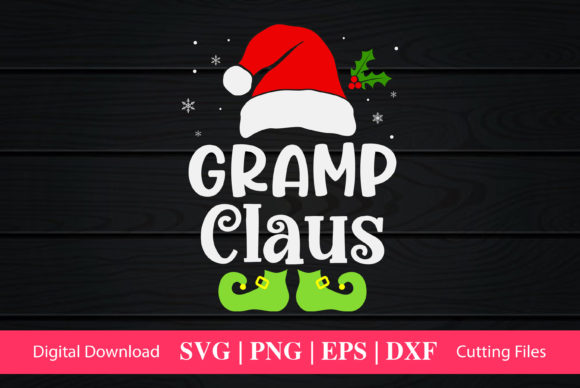
The personality of Gramp Claus is clear from the outset. It evokes a warm, nostalgic, and slightly playful holiday spirit. This isn’t a traditional, formal Santa; it’s a grandfatherly figure with a charm that feels personal and handmade. The shape and layout suggest a design that would translate well into a clean, graphic stitch, avoiding overly fussy details that can become muddy in embroidery. For a craft business or Etsy seller, this visual personality is key—it creates an emotional hook for customers looking for a unique holiday gift.
The Perfect Projects: Where Gramp Claus Belongs
My mind instantly goes to a specific scenario: a custom embroidered sweatshirt for a holiday gift. I picture this design on a heavyweight cotton sweatshirt, perhaps in a rich cream or heather gray fabric. The graphic nature of Gramp Claus means it would hold its clarity even at a moderate size, making it ideal for apparel. Beyond sweatshirts, here are the real-life embroidery situations where I believe this design would shine:
- Custom Apparel: T-shirts, hoodies, and baby clothes where a friendly, non-commercial holiday motif adds value.
- Home and Gift Items: Tote bags, pillow covers, and tea towels for boutique holiday merchandise.
- Personalized Products: Embroidered patches or aprons as a one-of-a-kind gift from a “Gramp.”
- Small Business Merchandise: As a central motif on limited-run holiday items for a craft fair or Etsy listing.
- Digital Product Integration: The provided file formats make it suitable for creating printable mockups or previews for your online shop.
Navigating the Practical Stitching Considerations
Every design has its sweet spots and its careful zones. For Gramp Claus, the clean lines are a major advantage, but they also require thoughtful execution. Here’s where an embroidery designer should pay attention:
- Small Hoop Sizes: If you plan to stitch a very small version, test the clarity of the finer details on scrap fabric first. Some elements might need slight simplification.
- Fabric Choice: Textured or stretchy fabrics like certain knits could distort the graphic silhouette. A robust stabilizer is crucial here.
- Dark Fabric Backgrounds: The mood of the design might shift on dark fabrics. Consider how thread color contrast will affect the friendly, lighthearted feel. Testing in both light and dark mockups is wise.
- Curved Surfaces: On caps or hats, the design’s layout should be checked for how it conforms to the curve without losing its balance.
- Product Durability: For items like kitchen towels or blankets that need frequent washing, consider stitch density and thread type to ensure longevity.
How Gramp Claus Elevates Your Finished Product
From a business and customer perspective, using a design like Gramp Claus isn’t just about adding decoration; it’s about crafting an experience.
Its visual appeal translates directly into stitching clarity and a polished handmade presentation. This builds customer trust—they see a professional, intentional product, not a haphazard application. For a creative entrepreneur, this consistency strengthens your brand’s reputation for quality.
The design’s inherent giftability and recognition factor are high. It tells a story, which makes the embroidered item feel special and thoughtful. This directly impacts buyer engagement on a product listing; it’s easier to sell something that already resonates emotionally.
Essential Designer Notes Before You Hoop the Fabric
Before committing this to a client project or your best-selling holiday tote, run through this quick mental checklist:
- Always, always test on scrap fabric that matches your final project material. Check for thread tension and any potential puckering.
- Review your thread color palette. Does it enhance the grandfatherly, warm mood of Gramp Claus, or clash with it?
- Confirm your hoop size can accommodate the design at the size you intend without forcing awkward scaling.
- Inspect the smallest details in the file preview. Are there any tiny corners or lines that might not translate well into satin or fill stitches?
- Understand the license. The product description mentions files for cutting machines, but for commercial embroidery projects, you must confirm the licensing terms before selling finished items. Never assume.
- Consider creating simple black-and-white digital mockups to see how the design reads purely as shape and form, stripped of color.
Remember, Gramp Claus is a design asset. Its real value is unlocked not when downloaded, but when thoughtfully applied to a real embroidery project. Whether you’re stitching it onto a baby’s holiday bib for a personalized gift or producing a batch of embroidered pillow covers for your small shop, its success hinges on your practical preparation. Approach it with the confidence of a designer who sees both the art and the craft, and you’ll create finished products that truly reflect its warm, handmade spirit.